
Ajita Insights | A deconstruction of the 2008 hostile takeover attempt: When financial engineering becomes a weapon of narrative warfare.
In the annals of finance, some deals are remembered for their numbers, but the Porsche-Volkswagen saga is remembered as a "Massacre of the Giants." It was a moment when a relatively small sports car manufacturer (Porsche) nearly swallowed the largest automotive group in Europe (VW) through a masterpiece of Machiavellian planning and psychological manipulation.
At The Ajita, we analyze this case not merely as a financial transaction, but as a supreme example of Information Control as a tool for shaping reality.
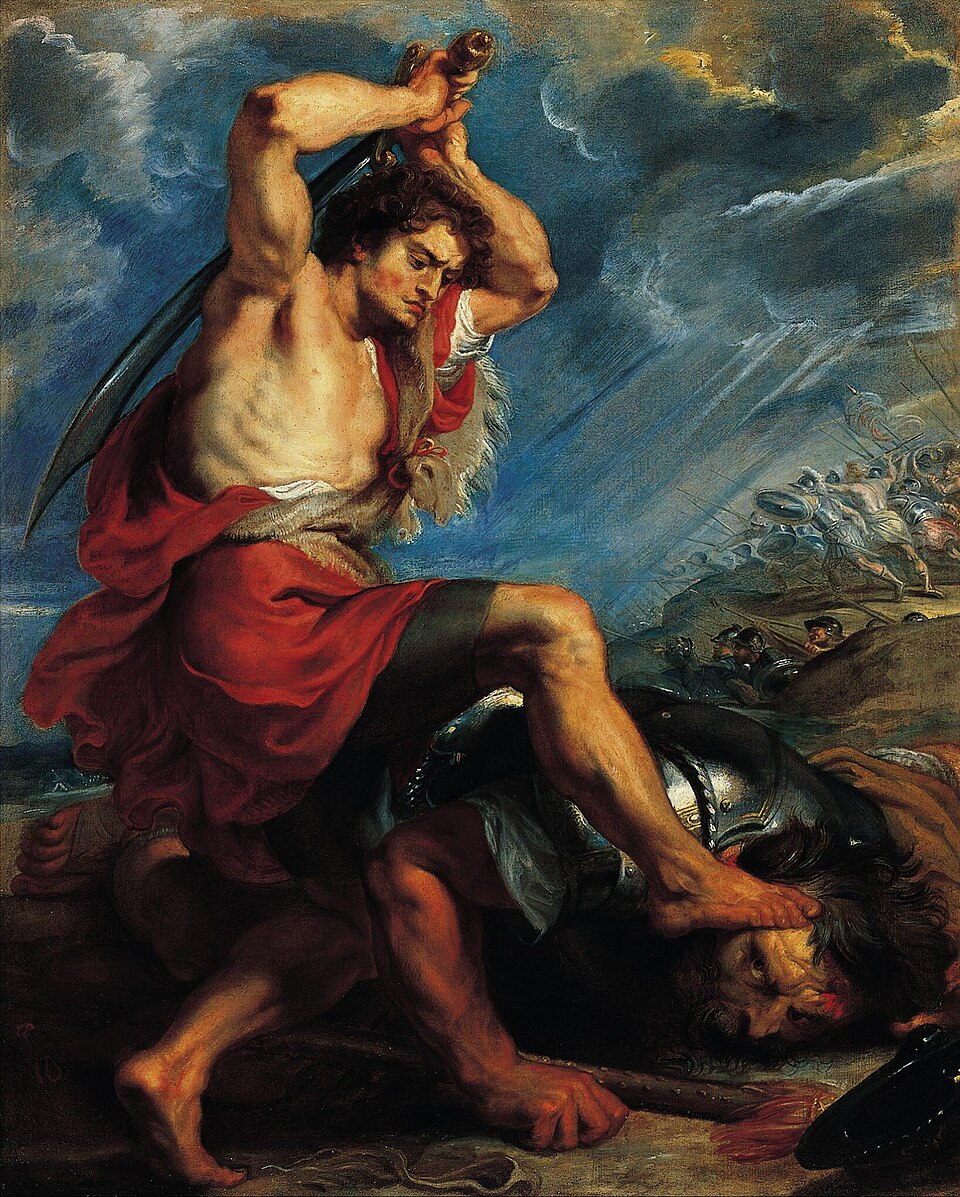
1. The "David vs. Goliath" Smoke Screen
In 2005, when Porsche began quietly accumulating shares in VW, the global consensus was that it was a futile effort. Volkswagen was fifteen times the size of Porsche. The prevailing narrative was simple: "A small fish is trying to swallow a whale."
However, Porsche utilized a tactic of "Financial Stealth." Instead of purchasing shares directly—which would have triggered mandatory public disclosures—they used Cash-settled options. This allowed Porsche to gain effective control over VW shares while remaining completely invisible on any regulatory radar.
2. The Short Squeeze: Narrative as a Trap
In October 2008, amidst the chaos of the global financial crisis, Porsche suddenly dropped a "strategic bomb." They revealed that they had secured control of nearly 74.1% of Volkswagen.
This disclosure sent shockwaves through the market. Hedge funds—who had heavily "shorted" VW stock, betting its price would drop—realized they were trapped. There were simply not enough shares left on the open market for them to buy back to cover their positions.
- The Result: VW’s stock price rocketed from €200 to over €1,000 in a matter of days, briefly making Volkswagen the most valuable company in the world.
- The Carnage: Hedge funds lost billions. Porsche hadn't just won financially; they had decimated their opposition by manipulating the scarcity of information.
3. The Irony of Sovereignty
The ending of this saga reflects an irony. Due to the credit crunch of late 2008, Porsche ran out of liquidity and was eventually "acquired" by Volkswagen in a reverse takeover.
Yet, looking at the grand chessboard, the Porsche-Piëch family retained ultimate control over the integrated VW empire. This is proof that the means may change, but the Will to Power remains consistent. They accepted the "muck" of a nominal defeat to secure the "legacy" of actual control.
4. The Ajita Note: Information is the Ultimate Liquidity
The Porsche-VW gambit teaches us that in high-stakes strategy, the most important liquidity is not Cash, but Information. Whoever controls what the market "knows" versus what it "guesses" dictates the rules of the game. Porsche didn't win with car engines; they won by turning the stock market into a theater of illusions. For the strategist, the lesson is clear: Never trust the visible data on the screen; look for the hidden intent buried in the fine print.
Strategic Takeaway: In the theater of hostile takeovers, the most dangerous weapon is the information you choose not to reveal until the trap is set.


