
Ajita Insights | An analysis of Liu Yiqian’s acquisition of the Yongle Thangka: A case study in Cultural Sovereignty and the weaponization of high-value heritage assets.
In 2014, the gavel at Christie’s Hong Kong fell at a staggering 348 million HKD ($45 million), setting a global record for Chinese art. The purchaser, Liu Yiqian, did not merely acquire a 600-year-old silk embroidery; he executed a high-stakes maneuver of Civilizational Retrieval.
To the market, it was a record-breaking transaction. To The Ajita, it was a masterclass in how a private individual can leverage personal wealth to restore a missing link in a nation's Institutional Memory.
The Asset: Raktayamari and the Yongle Mandate
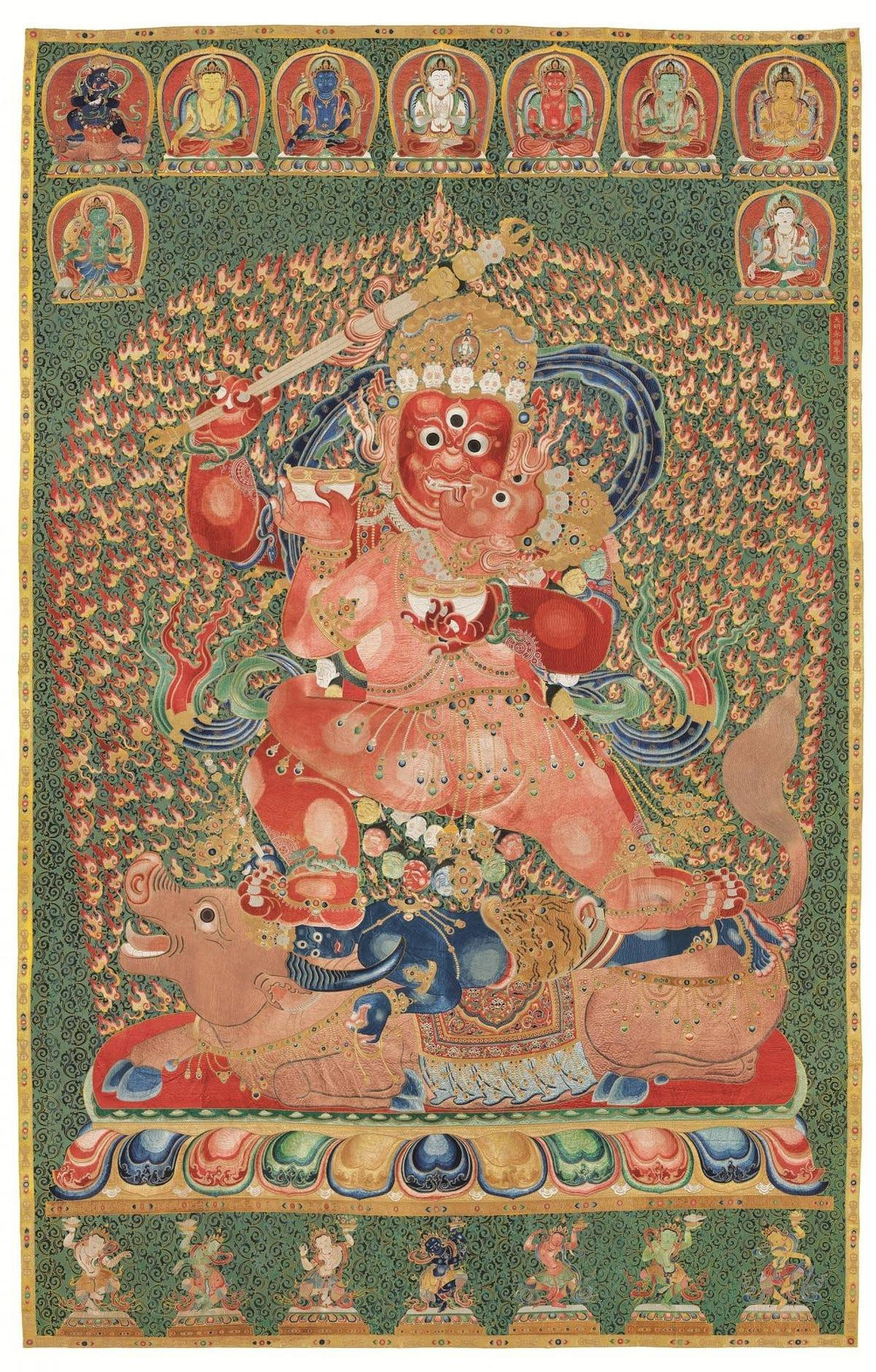
Commissioned in the 15th century by the Yongle Emperor—the third ruler of the Ming Dynasty—this Thangka is a monumental fusion of spiritual authority and imperial power. Standing over 3 meters tall, it depicts Raktayamari, the "Red Conqueror of Death," embracing his consort Vajravetali.
- Rarity as Power: Of the three known Yongle Thangkas of this caliber, two reside in the Jokhang Monastery in Tibet. Liu Yiqian’s acquisition is the only one in private hands.
- The Metaphysical Weight: Created with gold thread and vibrant silk, the Thangka was a diplomatic and religious instrument of the Ming court. By owning it, a collector doesn't just own art; they own a piece of the Sovereign Narrative of an empire at its zenith.
The Collector as an Institutional Architect
Liu Yiqian’s trajectory—from a 14-year-old school dropout selling handbags to the architect of the Long Museum in Shanghai—is a testament to the Totalist approach to legacy.
His acquisition of the Thangka was a "bitter battle" against a Western collector. Liu’s triumph was framed as a patriotic victory: bringing the masterpiece "back home." This is a classic move of Aesthetic Strategy: using an auction house as a battlefield to assert national pride and personal dominance simultaneously. By housing such assets in his private museum, Liu transforms himself from a billionaire into a Custodian of History.
The Portfolio of "Hard Power" Aesthetics
The Thangka is part of a broader, calculated collection strategy that includes:
- Nu Couché (Reclining Nude) by Modigliani ($170.4 million).
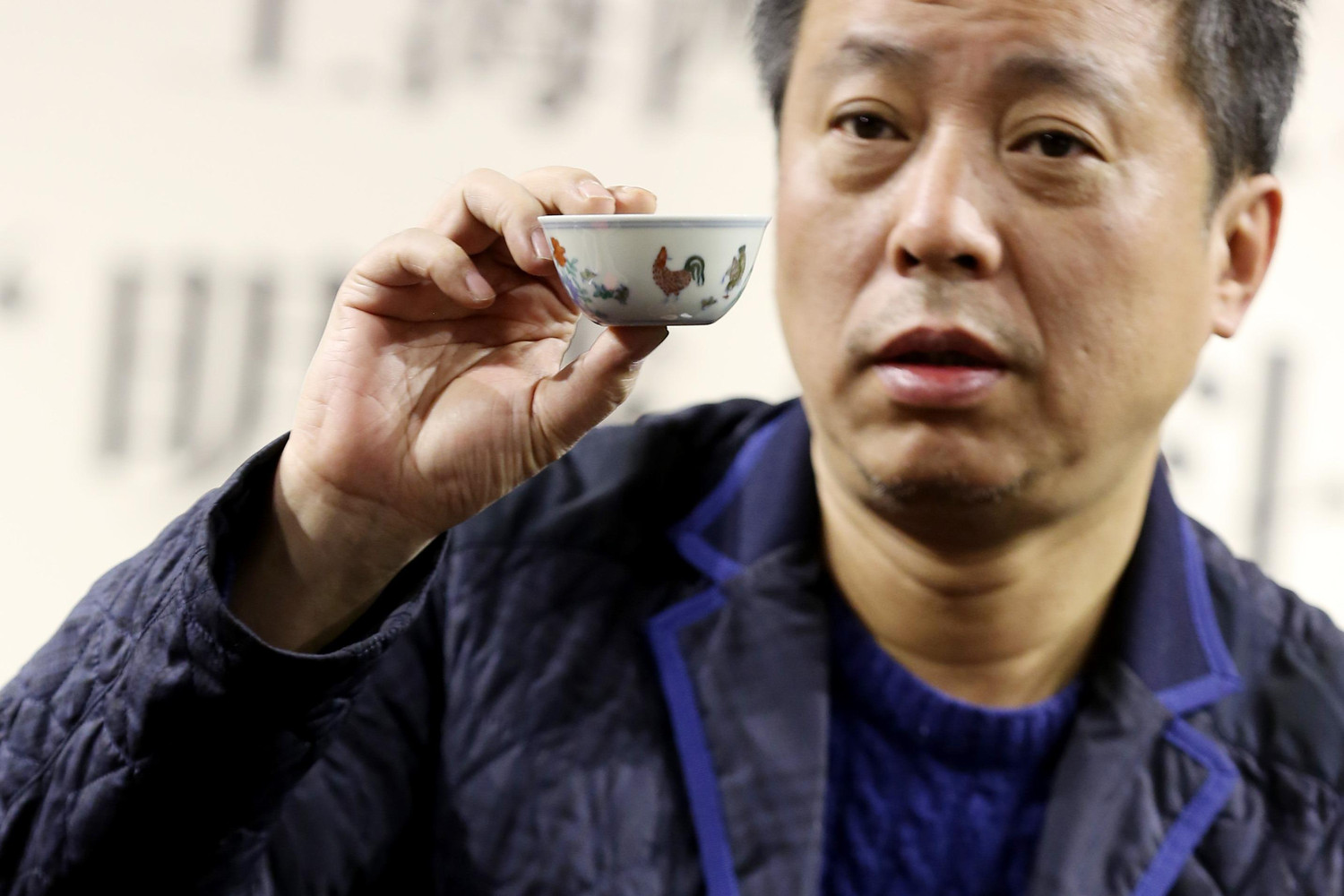
- The Meiyintang "Chicken Cup" ($36.3 million).
Each of these is a High-Liquidity Heritage Asset. They serve as a hedge against economic volatility while providing a "Halo Effect" of extreme cultural prestige.
The Ajita Note: Conquering Death through Legacy
The deity Raktayamari represents the "Conqueror of Death." In the world of high-stakes collecting, this is the ultimate metaphor. We do not buy $45 million artifacts to "have" them; we buy them to outlive ourselves.
Liu Yiqian’s Long Museum is not just a building; it is a Legacy Shield. It ensures that his name is forever linked with the Yongle Emperor and Modigliani. For the modern strategist, the lesson is clear: True wealth is not measured in currency, but in the caliber of the narratives you can successfully retrieve and protect.
Strategic Takeaway: In the struggle for Cultural Sovereignty, the one who brings the artifacts home writes the final chapter of the history books.


