
Ajita Insights: As we mark the centenary of the École des Beaux-Arts de l'Indochine (1925–2025), the auction of the Philippe Damas Collection transcends mere commerce. It is a strategic celebration of the "Indochine Modernism" source code—a perfect fusion of Parisian technique and the Vietnamese soul.
The Architect of a Legacy: Philippe Damas
Philippe Damas, a figure from the world of high finance, spent 25 years meticulously curating a collection that reflects a profound understanding of Aesthetic Intelligence. His residence in Singapore served as a sanctuary for over 50 masterpieces, preserved with the discipline of a strategist and the heart of a connoisseur.
This collection is not a random assortment; it is a "methodical pilgrimage" through the history of Vietnamese modern art, capturing the moment when the East and West first met on canvas.
The Centenary of the Indochine Quartet
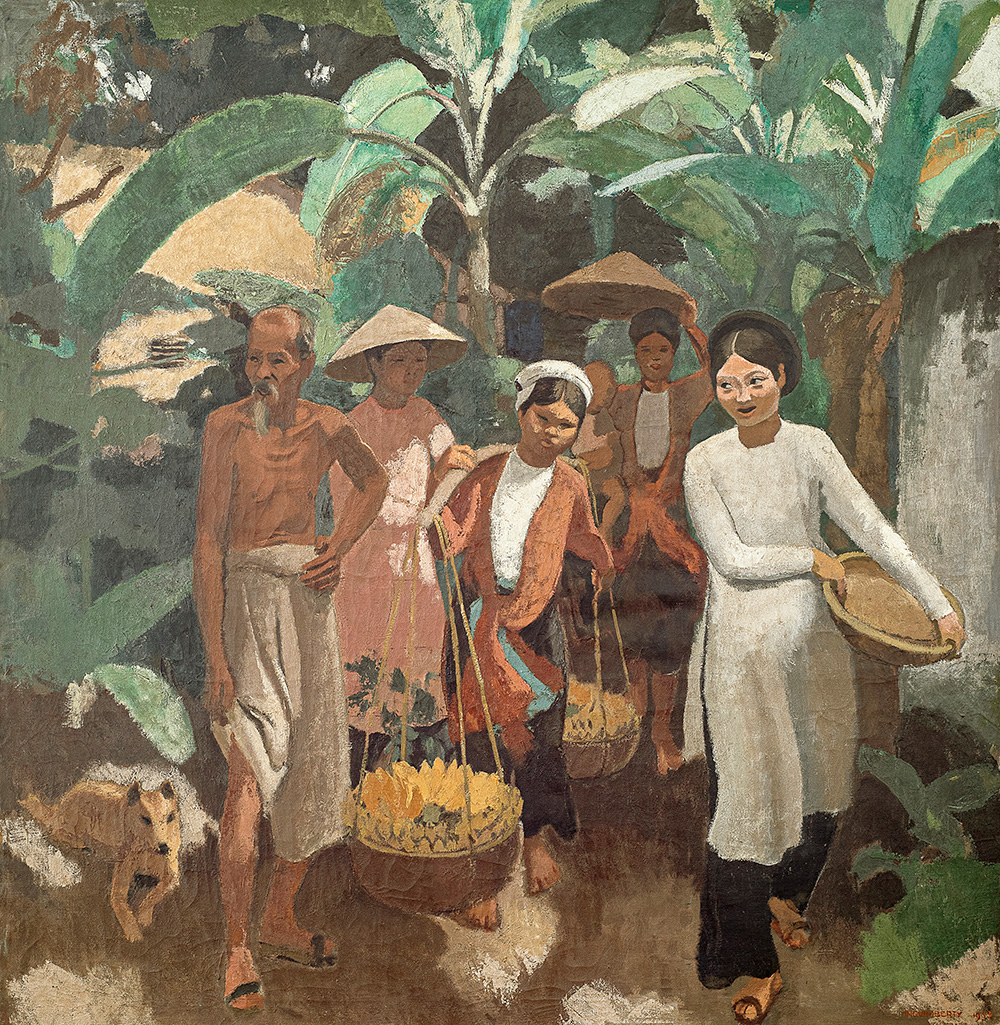
The 100-year milestone of the École des Beaux-Arts de l'Indochine (EBAI) highlights the enduring ROI of cultural heritage. Founded by Victor Tardieu and Joseph Inguimberty, the school birthed the legendary "Indochine Quartet": Lê Phổ, Mai Trung Thứ, Lê Thị Lựu, and Vũ Cao Đàm.
- Lê Phổ: The master of ethereal silk and vibrant nature.
- Mai Trung Thứ: The poet of nostalgia and lyrical elegance.
- Lê Thị Lựu: The pioneer of feminine grace in Asian portraiture.
- Vũ Cao Đàm: The bridge between classical sculpture and modern expressionism.
Market Intelligence: High-Stakes Highlights
The upcoming Christie’s Hong Kong auction on March 29th features several "Blue-chip" assets that define the market's current trajectory:
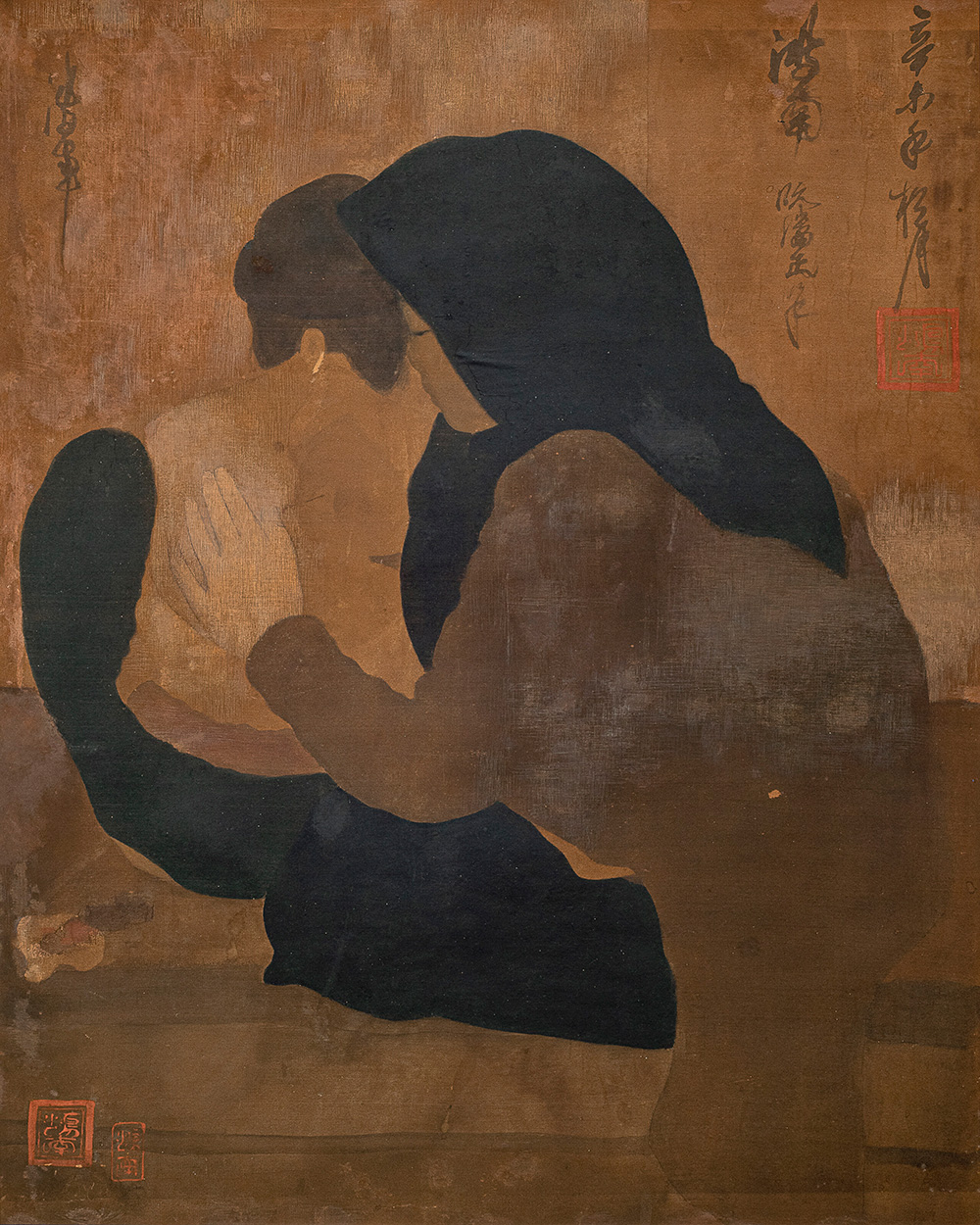
- Nguyễn Phan Chánh, L’acupunctrice (1931): An ink and gouache on silk masterpiece.
- Estimate: $190,000 – $320,000.
- Mai Trung Thứ, L’heure du thé à Hué (1937): A rare oil on canvas depicting the sophisticated tea culture of Hue.
- Estimate: $250,000 – $510,000.
- Nguyễn Gia Trí, Les trois femmes (1934): * Estimate: $510,000 – $760,000.
[Ajita's Analyst Note]
The ROI of Curation: The Damas Collection proves that in the world of high-value assets, integrity is the ultimate multiplier. Philippe Damas didn't just "buy paintings"; he "protected history."
For a strategist, the lesson here is clear: Whether you are dealing with art, media, or international trade, long-term value is built through consistency and aesthetic rigor. By holding these works for 25 years, Damas transformed "objects" into "legends," ensuring an exponential return that far outpaces traditional financial instruments
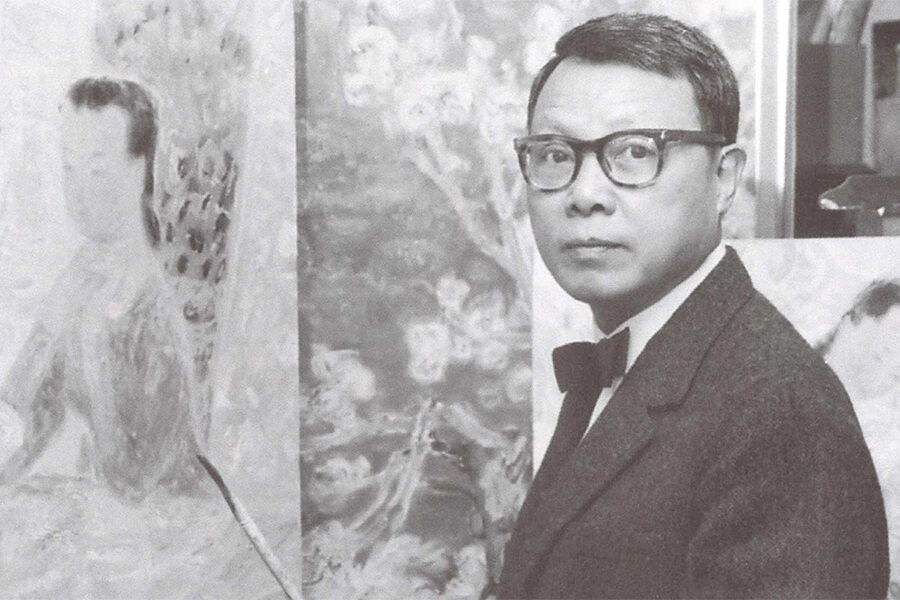
Lê Phổ: The Architect of Indochine Elegance and the Legacy of Authority
Ajita Insights: In the hierarchy of modern art, Lê Phổ stands as the ultimate synthesis of aristocratic lineage and academic mastery. His life was not merely a series of events, but a strategic ascension from the corridors of power in Hanoi to the elite art circles of Paris.
A Lineage of Power and Solitude
Born in 1907 in Hà Đông, Lê Phổ was the son of Lê Hoan, a high-ranking mandarin whose historical role in the colonial administration provided the artist with an early exposure to the mechanisms of authority and refined aesthetics.
However, his journey was forged in Strategic Solitude. Losing both parents at a young age, Lê Phổ’s formative years were spent navigating the complexities of a high-society family under the care of his older brother. This period of early loss often serves as the "crucible" for great artists, distilling their focus into a singular pursuit of perfection.
The Dual-Elite Pedigree: Paris & Hanoi
Lê Phổ’s intellectual foundation was built upon two pillars of global excellence:
- The Parisian Phase (1925–1930): He refined his vision at the École des Beaux-Arts (part of the prestigious PSL Research University in Paris). This was his "R&D phase," where he decoded the secrets of European oil painting and Renaissance composition.
- The Institutional Return: Upon returning to Vietnam, he became a core faculty member at the École Supérieure des Beaux-Arts de l’Indochine (EBAI). Here, he didn't just teach; he institutionalized the "Indochine Renaissance," passing the strategic source code of fusion art to the next generation of talents.
The Master of Aesthetic Synthesis
Lê Phổ’s work is characterized by a "Dual-Citizen" soul—capturing the delicate, poetic atmosphere of Vietnam through the lens of sophisticated French technique. To own a Lê Phổ is to own a piece of Cultural Diplomacy; his canvases are the ultimate bridge between Eastern philosophy and Western form.


